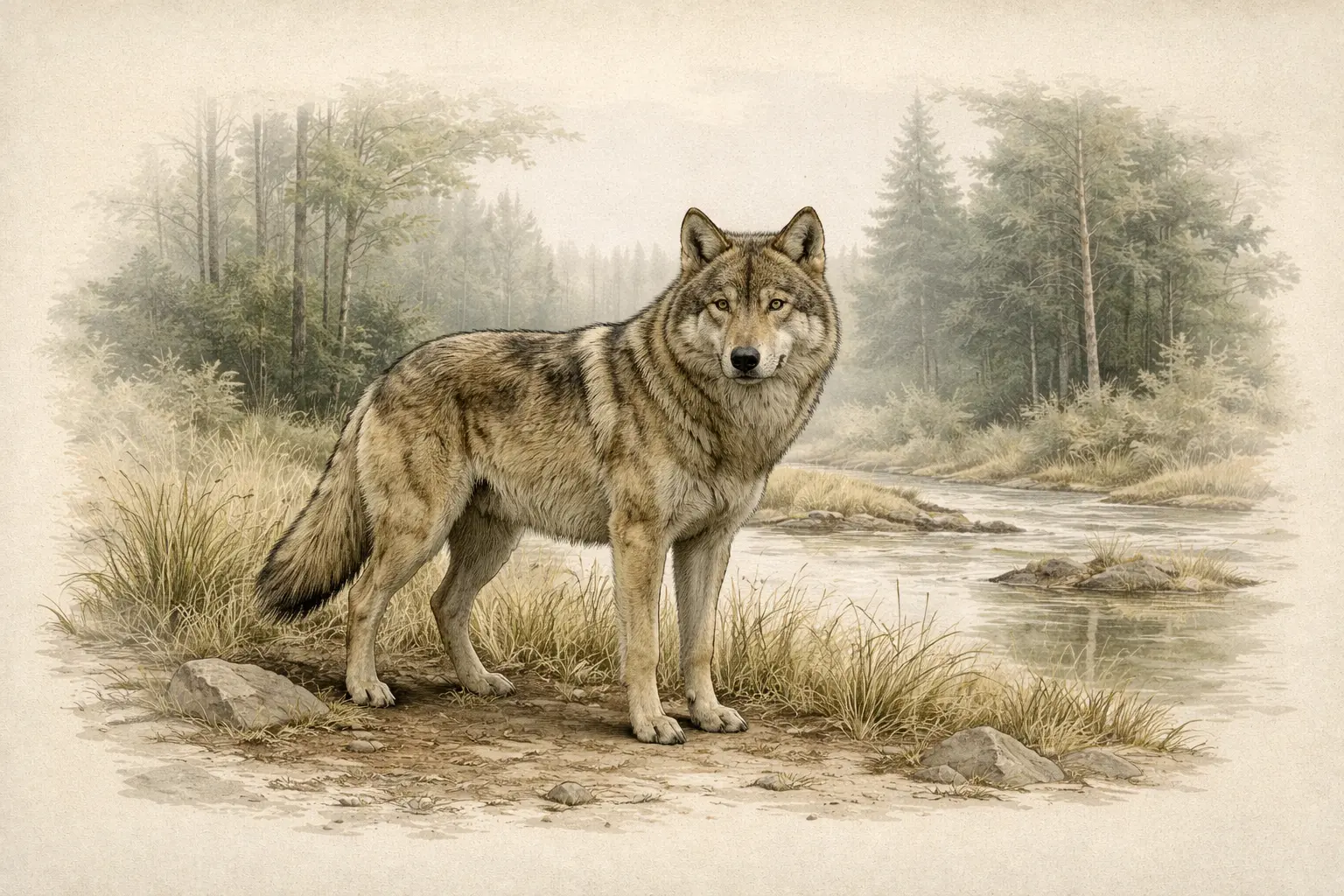
Predators perform an essential service.
They reduce excess. They apply pressure. They convert abundance into signal. In doing so, they keep systems active, responsive, and alert to weakness.
From this, a simple conclusion follows.
Predators are good.
Where predators exist, systems adapt. Where they are absent, inefficiency accumulates. Resources linger. Actors persist beyond their usefulness. Growth continues without purpose or constraint.
It is therefore reasonable to ask whether most systems have enough predators.
In most cases, the answer is no.
This forces a second, more difficult question: if predators are necessary for health, why do we continue to support such large prey populations? Why preserve actors whose primary function is to be destroyed?